Delay in Diagnosis and Treatment of Breast Cancer
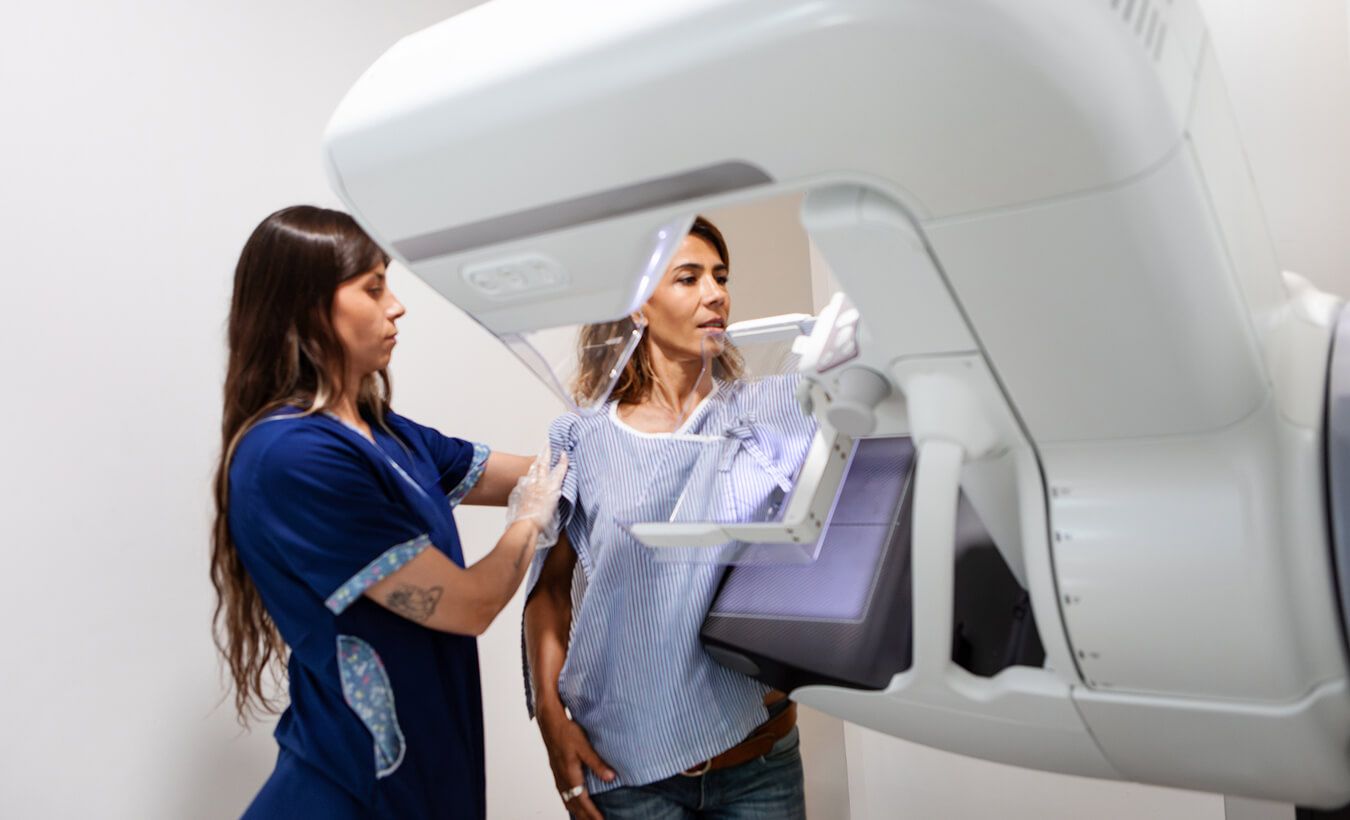
Some of the earliest cases I tried to verdict were ones where a patient’s breast cancer was misdiagnosed or overlooked entirely by physicians or other healthcare providers, with terrible consequences. As part of my preparation for these trials, I researched the medical and legal literature on this issue. I used what I learned from both types of articles to construct my presentation of the cases to the jury and to prepare for the cross-examination of the physicians or other healthcare staff. After favorable verdicts on these initial cases, I wrote an article in a medical-legal publication together with a professor of pathology from UCLA Medical Center. The article got favorable comments and, perhaps as a result, my office began getting many calls from patients or their families about instances where an appropriate diagnosis or treatment for breast cancer was delayed, resulting in much harm to patients and their families.
The situations we were told about usually involved one of two scenarios. The patient felt something like a lump or mass in her breast or under her arm, and either the physician did not feel anything or the patient was told that the mass was benign and that there was nothing worrisome. In either case, often no imaging, like a mammogram, was offered and no biopsy was performed.
In some cases, a mammogram was done but misread by the clinician or the radiologist as showing what was then called “fibrocystic disease,” i.e., a benign mass. Sometimes the misreading of the mammogram was so egregious that, during trial, when I put the mammogram up on the large screen for the jury, you could see the cancerous mass on the mammogram from across the room.
Over the years, prompt physician recognition of worrisome masses became much more common, and higher-level medical care for diagnosis and treatment became typical. All of this is, of course, for the good. Still, some of the stories from patients and their families stay with me to this day.